


Latest news

HaloMD, a major player in surprise billing disputes, released a report claiming the No Surprises Act has cut out-of-network emergency care spending by billions. However, researchers from Georgetown and Brookings question the assumptions and data behind these estimates, noting potential conflicts of interest.

An HHS OIG audit shows that Medicare Part D paid $587.7 million between 2021 and 2023 for five drugs that had been switched to over-the-counter status, primarily involving generic versions of Voltaren. CMS's reliance on outdated FDA data and failure to promptly notify plans led to increasing non-compliant payments each year. The OIG recommended that CMS issue timeframes similar to the FDA's, and CMS has agreed.

DaVita has agreed to pay $15 million to settle a proposed class action lawsuit stemming from a data breach last year that impacted approximately 2.7 million individuals. The settlement has been signed by a Colorado judge, with a final approval hearing expected next year.

McKesson confirmed in a securities filing that a third-party application was accessed without authorization, resulting in data theft affecting customers in oncology, multi-specialty, and medical-surgical businesses. The company stated it has reasonable confidence that there is no ongoing unauthorized activity, and its operations and distribution network remain functional, but it has not yet assessed whether the incident constitutes a material impact. The hacker group ShinyHunters claimed to have breached employee accounts via voice phishing, which McKesson has not confirmed.
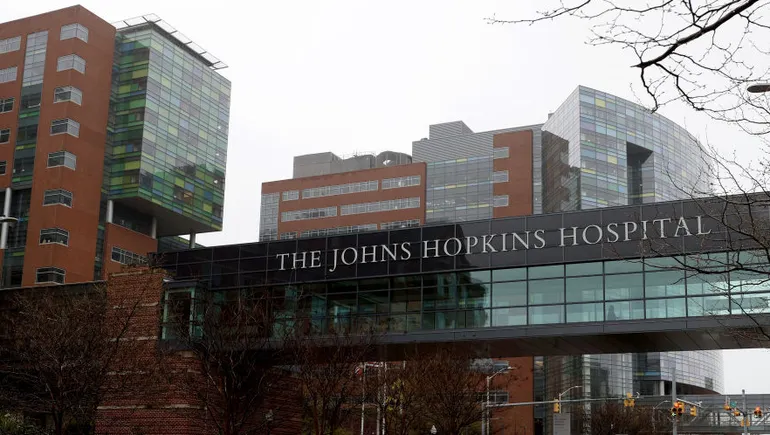
Johns Hopkins Health Plans (JHHP) announced that it has appointed Chief Financial Officer Daniel Chojnowski as interim CEO after former CEO James Holland departed in August to join Humana's Medicaid division. In a LinkedIn statement, JHHP said the move is intended to ensure stability during the transition. The company has recently faced financial pressures, posting a loss of approximately $45 million in the last fiscal year on premium revenue of $2.5 billion.
UnitedHealth Insurance announced that starting in October, it will eliminate prior authorization requirements for approximately 1,700 medical codes, covering commercial, Medicare Advantage, Medicaid, and ACA plans, accounting for about 30% of its total prior authorizations. This move aims to respond to public dissatisfaction with administrative barriers and to address regulatory pressure.
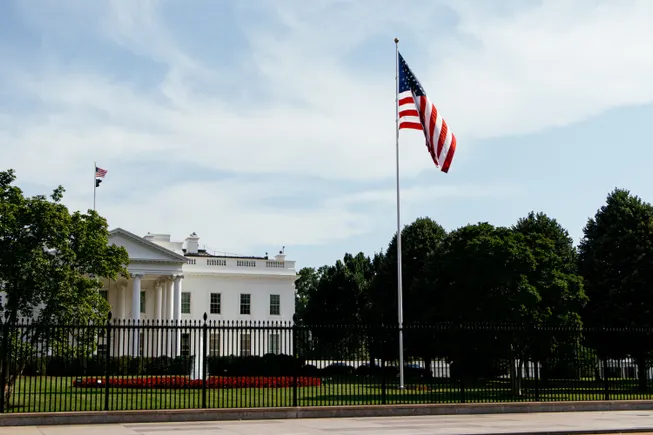
Nine mid-sized pharmaceutical manufacturers announced Monday an agreement with the White House to participate in a Medicaid demonstration project, aligning prices for certain drugs with payment levels in other countries and increasing domestic U.S. manufacturing, in exchange for tariff exemptions. Details of the agreement were not disclosed, but analysts believe the commercial impact on the companies will be limited.

The merger of Sanford Health and North Memorial Health was officially completed on Tuesday, following a 10-year regulatory agreement reached with the Minnesota Attorney General's Office. The agreement requires Sanford to invest $600 million in North Memorial over the next decade, including expanding Maple Grove Hospital and maintaining core services at Robbinsdale Hospital.

A new Epic Research analysis finds that as Medicaid enrollment has significantly declined after the pandemic, the proportion of patients paying out of pocket in U.S. emergency departments and other healthcare settings has risen notably. In the second quarter of 2026, the self-pay rate in emergency departments reached 7.6%, up 2.1 percentage points from 5.5% in early 2022, while Medicaid coverage fell from 18.2% to 16.1%. The study is based on over 550 million visits and notes that the budget reconciliation bill passed by Republicans last year will further cut nearly $1 trillion in Medicaid funding, with an estimated nearly 6 million people expected to lose this insurance over the next decade.
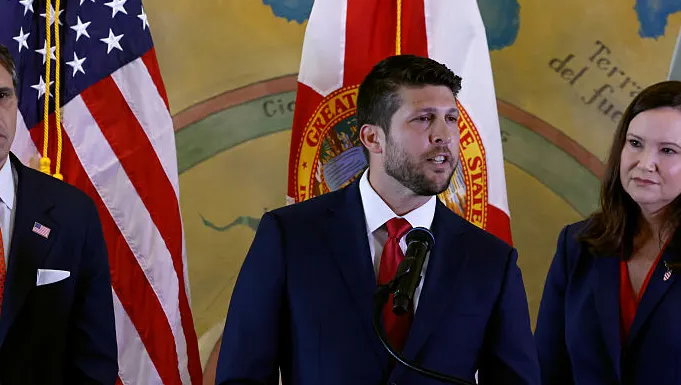
Florida Attorney General James Uthmeier filed a lawsuit last week in state circuit court, alleging that an agreement between Cigna-owned Express Scripts and Prime Therapeutics in 2019 allowed Prime to adopt Express Scripts' lower pharmacy reimbursement rates, constituting horizontal price fixing and violating Florida's antitrust and unfair trade practices laws. The lawsuit claims this caused reimbursement rates for some pharmacies to plummet by 80%, threatening pharmacy survival and patient access to medications. Prime denied the allegations, stating its model lowers patient costs; Express Scripts did not respond. Similar lawsuits have been filed previously, with the most recent brought by nearly 5,000 independent pharmacies.