


Government

CMS released first-half 2025 independent dispute resolution (IDR) data: case submissions approached 1.2 million, up about 40% year-over-year, with arbitration entities processing over 1.3 million cases. However, about 20% of cases were non-compliant, and a few private equity-backed suppliers dominated disputes, raising concerns about abuse.
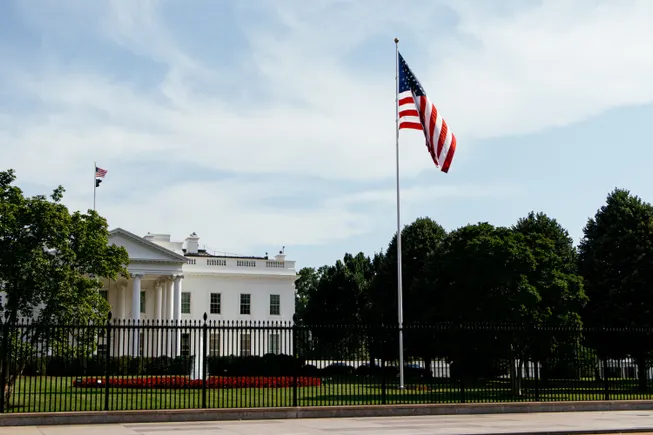
Nine mid-sized pharmaceutical manufacturers announced Monday an agreement with the White House to participate in a Medicaid demonstration project, aligning prices for certain drugs with payment levels in other countries and increasing domestic U.S. manufacturing, in exchange for tariff exemptions. Details of the agreement were not disclosed, but analysts believe the commercial impact on the companies will be limited.

The U.S. Department of Justice announced on Wednesday that Villages Health (TVH), a central Florida healthcare provider, has agreed to pay $541.5 million to settle allegations that it submitted false diagnosis codes to Medicare Advantage plans between 2020 and 2024, improperly increasing reimbursements. TVH self-disclosed the overbilling issues in late 2024 and filed for bankruptcy last summer. Humana completed its $68 million acquisition of the company in late last year.

A latest report released by Georgetown University indicates that the independent dispute resolution (IDR) process established under the No Surprises Act has accumulated over $22.4 billion in additional costs from 2022 to 2025, with 2025 alone reaching $16.6 billion, a nearly 3.5-fold increase from 2024. The number of disputes surged by 77%, payment amounts rose by 264%, and award amounts in certain specialties far exceeded in-network rates. Researchers urge policymakers to revisit the Act.

The U.S. Department of Justice announced on Monday that Monogram Health, a Tennessee-based home care company, has agreed to pay $2.4 million to settle a whistleblower lawsuit alleging that it submitted inaccurate or medically unsupported diagnosis codes from 2021 to 2023, resulting in overpayments to Medicare Advantage plans.
The U.S. Food and Drug Administration (FDA) is seeking input on how to regulate medical devices that incorporate generative artificial intelligence (AI). Its Center for Devices and Radiological Health (CDRH) has approved over 1,000 AI-enabled devices, but most do not use generative AI. On Tuesday, CDRH released a discussion paper proposing a potential regulatory framework and opened a comment period until October 19.
President Donald Trump on Wednesday nominated Heidi Overton, a top White House policy aide, as the next FDA commissioner, per HHS Secretary Robert F. Kennedy Jr. Overton, a physician with limited drug regulatory experience, would fill a role vacant since Marty Makary's resignation in May. Her nomination comes amid industry calls for stability at the agency.