


Latest news

CVS Health's second-quarter net profit approached $3 billion, roughly three times that of the same period last year, mainly driven by the strong earnings performance of its insurance unit Aetna. Despite a decline of about 600,000 total members, Aetna improved its profit margin by cutting benefits and exiting unprofitable markets. The company raised its 2026 guidance for the second time and announced a collaboration with Eli Lilly to offer more GLP-1 weight-loss drugs through CVS channels.
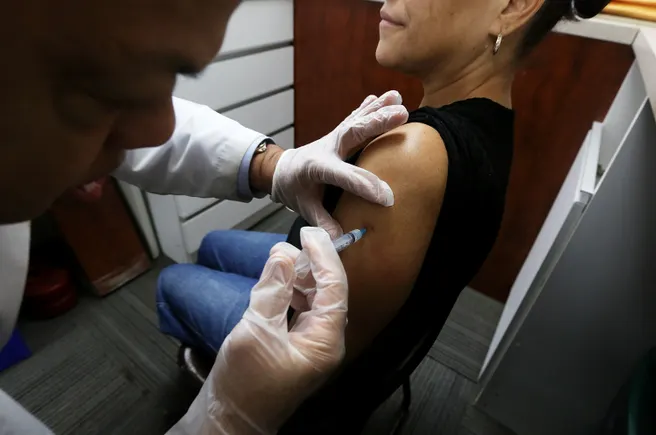
Facing growing vaccine skepticism, clinicians need to respond with the latest evidence. Studies from Stanford, Oxford, and others show that the shingles vaccine can reduce dementia risk by 20%, and the flu vaccine reduces cardiovascular events by 26%. These findings point to a 'trained immunity' mechanism, suggesting that the benefits of vaccines far exceed expectations.

Teladoc Health lowered its full-year revenue forecast on Wednesday because demand for insurance services from its mental health division BetterHelp grew too fast, exceeding service capacity and leading to a decline in its cash-pay business. The company expects full-year revenue of $2.36 billion to $2.45 billion, down 5% from the midpoint of its previous guidance.

Humana, while reporting its second-quarter 2026 earnings, stated it will further exit certain Medicare Advantage plans in 2027 to optimize capital returns and achieve long-term margin goals. This move is expected to affect approximately 600,000 members, and the company plans to retain about 40% of departing members through other plans.

Specialty drugs appear in trend reports with six-figure prices, but the true cost often far exceeds the drug price itself. A state plan paid $138,000 annually for a generic cancer drug with a wholesale price of $14,000, and no one noticed. Walgreens experts point out that the independent specialty pharmacy model, through cost-plus pricing, transparent reporting, and patient management, helps payers see the full picture and control hidden costs.

Cancer treatment is shifting from traditional in-hospital chemotherapy and radiation therapy toward more complex, personalized home management. Walgreens Specialty Pharmacy has introduced the concept of "whole-person support," employing multidisciplinary teams, financial assistance, psychological screening, nutritional guidance, and other comprehensive measures to help patients navigate challenges throughout their treatment journey. Its medication adherence rate reaches 92%, far exceeding the industry benchmark of 80%. Based on internal interviews and data, this article analyzes how this model is implemented.

This analysis notes that as the 2026 midterm elections approach, congressional Democrats have begun preparing a framework for oversight investigations. If Democrats regain a majority, the healthcare industry will face broader congressional oversight, focusing on affordability, private equity, hospital consolidation, artificial intelligence applications, and potential conflicts of interest and federal contract reviews related to the Trump administration. The article advises healthcare companies to assess risks in advance and prepare responses.

After months of waiting, physicians at Medical Faculty Associates in Washington, D.C. received notice in late May that their loss-making physician group would be absorbed into Universal Health Services (UHS), one of the largest for-profit healthcare organizations in the United States. However, the rollout of new contracts has been fraught with setbacks: apparent benefit reductions, slow responses to questions, obscure contract terms, and even some considering litigation. As the July transaction completion deadline approaches, some physicians have refused to sign, fearing a significant exodus of talent. Experts say standardized integration is industry practice, but poor communication may intensify conflicts.
Teladoc Health announced a partnership with Walmart on Thursday to bring its virtual care services to Walmart's Better Care Services digital health platform. This move presents Teladoc's services, such as urgent care, dermatology, and nutrition support, directly to Walmart's customer base. Kelly Bliss, president of Teladoc's U.S. group health business, stated that the company aims to activate its largest virtual care network in the country, providing services where consumers make health decisions.

Patients don't directly perceive the technology; what they feel is the smoothness of their visit and the ease of interaction. When automation is thoughtfully deployed, it becomes an invisible layer supporting care, eliminating friction at key points such as appointments, information synchronization, communication, and follow-ups, making patients feel valued and understood. This consistency is what patients interpret as quality and trust.