


Latest news

Centene announced on Monday that it has appointed Bradley Bolivar, Chief Information Officer of Fannie Mae, as its new CIO, effective immediately. Bolivar brings nearly three decades of technology leadership experience and has driven AI adoption at Fannie Mae. He will succeed Brian LeClaire, who is retiring at the end of October. This move is one of several executive changes at Centene this year, following adjustments to its CFO and board members.
Teladoc Health announced on Monday that Michael Grasher will succeed Mala Murthy, who has departed, as Chief Financial Officer, effective immediately. Grasher brings more than three decades of experience in the insurance and financial services industry and has served as CFO of several insurance companies. This appointment comes about a month after the company lowered its annual revenue guidance, and his insurance background may help Teladoc advance its insurance-covered healthcare services.

The patient journey for specialty medications is complex and prone to disruption, with the first 14 days after a prescription being especially critical. Data shows that up to half of patients do not take their medications as prescribed, and abandonment rates for some oral oncology drugs can reach 67%. Walgreens Specialty Pharmacy significantly improves early conversion rates and turnaround times through first-day proactive contact, prior authorization coordination, financial assistance, and personalized digital interventions. Internal case studies show that the introduction of dedicated operations managers increased conversion rates by 43%, with average turnaround times two days faster than network peers. Based on industry data and expert interviews, this article analyzes how specialty programs eliminate barriers within the first two weeks to ensure patients successfully start and adhere to treatment.
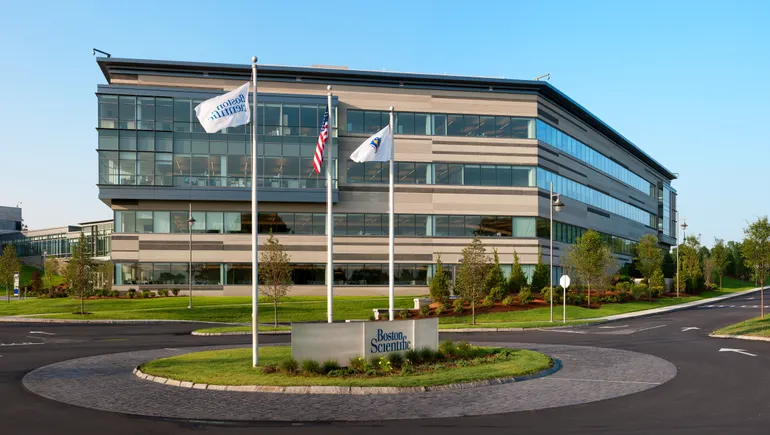
Boston Scientific stated in a release Thursday evening that a cyberattack this week has caused ongoing disruptions to its product manufacturing, shipping, and order processing. The company is still assessing the impact of the incident and prioritizing the restoration of core business systems.

A latest physician compensation survey released by health tech company Doximity shows that over 40% of surveyed doctors believe that if artificial intelligence (AI) helps them improve work efficiency, they should receive most of the resulting cost savings. The survey also found that most doctors already use AI weekly or even daily for clinical or administrative tasks, but doctors are divided on whether AI should change their service compensation.

Researchers at Georgetown University released a report estimating that the independent dispute resolution process established by the No Surprises Act has caused over $22 billion in unnecessary spending over the past four years. The American Society of Anesthesiologists, the American College of Emergency Physicians, and the American College of Radiology jointly refute this, stating that the estimate is based on a flawed QPA benchmark and that insurer-calculated QPAs are often inaccurate and too low.

The U.S. Department of Justice announced on Wednesday that Villages Health (TVH), a central Florida healthcare provider, has agreed to pay $541.5 million to settle allegations that it submitted false diagnosis codes to Medicare Advantage plans between 2020 and 2024, improperly increasing reimbursements. TVH self-disclosed the overbilling issues in late 2024 and filed for bankruptcy last summer. Humana completed its $68 million acquisition of the company in late last year.

A survey released by the Pew Research Center on August 25 shows that about 72% of American adults consider it "extremely" or "very important" for healthcare providers to disclose AI use. The survey also found that although AI is already widely used in hospitals and clinics, 46% of respondents are unsure whether they have encountered AI in medical care, and only 17% believe they have significant control over it.

According to Massachusetts regulatory filings, Sword Health intends to acquire OrangeDot, Headspace's parent company, with the deal expected to close on September 14. Both parties stated that operations will largely continue, though some overlapping roles may be eliminated.

The latest survey by the Business Health Group shows that U.S. employers expect median healthcare costs to rise 9.2% in 2027, with actual spending exceeding expectations for three consecutive years and the gap widening annually. Rising hospital prices, drug costs, and deteriorating employee health are key drivers. Facing cost pressures, employers are considering cutting benefits, switching suppliers, and re-evaluating their role in the healthcare system.