


Latest news

Oak Street Health's Chief Medical Officer Ali Khan stated at the HLTH conference that the company has no intention of being acquired, is optimistic about its partnership with Walmart, and plans to deepen expansion in existing markets.

CommonSpirit Health is still dealing with the aftermath of a ransomware attack three weeks later. Security experts note that M&A and integration in the healthcare industry significantly increase cybersecurity risks, as system integration takes years, supply chains are weak, and executive attention is diverted during M&A. Experts recommend conducting rigorous cybersecurity due diligence before transactions and planning incident response processes in advance.


The number of ambulatory surgery centers (ASCs) in the United States has grown from over 5,000 in 2010 to more than 6,000 today, with orthopedic surgeries accelerating their outflow. Medical device companies such as Stryker, Zimmer Biomet, and DePuy Synthes have introduced leasing, pay-per-use, and construction support services. Although ASC reimbursement from Medicare is lower than that of hospitals, equipment procurement costs are similar, prompting companies to explore new collaboration models. Analysts expect that the ASC channel may bring pricing pressure in the future.

Insufficient nursing home capacity is hindering hospital discharge processes, leading to prolonged hospital stays and intensifying operational pressures on the healthcare system in the post-pandemic era.

Despite inflation hitting a 40-year high this year, the healthcare industry had largely remained unaffected directly, but experts point out that this immunity is gradually fading.

As multiple U.S. states tighten abortion restrictions, abortion advocates and Democratic lawmakers are urging the Biden administration to strengthen patient data protection. However, several privacy and legal experts say HIPAA is not an all-purpose privacy shield, and its enforcement exception clauses and regulatory limitations make it difficult to achieve comprehensive protection in the short term.

Catholic health care institutions are widely distributed across the United States, and their religious directives restrict abortion, sterilization, and contraceptive services. With the overturning of Roe, these restrictions may pose additional obstacles for individuals seeking reproductive health services. This article cites multiple studies and expert opinions to analyze the market share of the Catholic health system, service restrictions, lack of transparency, and potential consequences, and discusses policy recommendations.
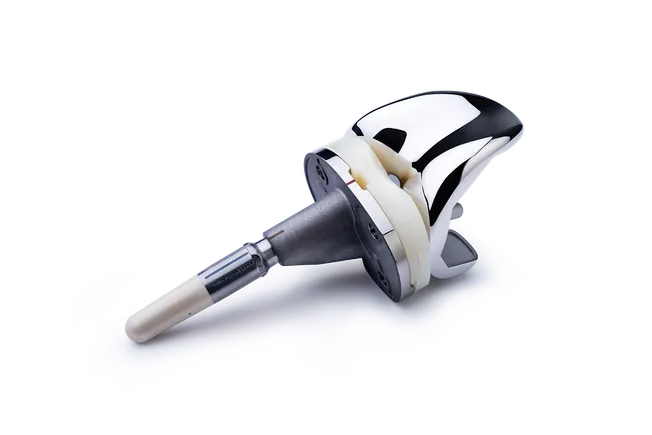
With the surge in remote patient monitoring devices such as continuous glucose monitors and wearable heart rhythm monitors, medical technology companies are racing to embed sensors in implants. Zimmer Biomet's Persona IQ smart knee has begun sales, measuring data such as gait and step count, but doctors generally believe that how to interpret and apply this data still requires time for validation. Industry experts point out that this field remains in its early stages, lacking unified data management guidelines, and sensor implantation requires removing more bone, with clinical value yet to be proven by research.

During the pandemic, U.S. states temporarily relaxed interstate telehealth licensing restrictions, but with the end of the public health emergency, most waivers have expired or are about to terminate, leaving millions of patients facing disruptions in remote care. Industry advocates are seeking to reshape the interstate medical regulatory framework through long-term policies such as interstate licensure compacts, reciprocity arrangements, and federal incentives. However, the industry has not yet reached a consensus on the specific path, and state medical boards are cautious due to their reliance on licensing fees for revenue.