


Latest news
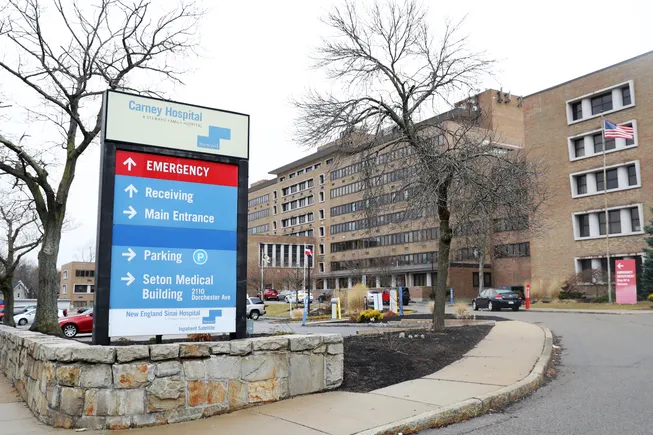
Steward Health Care Group is facing a severe financial crisis and could become one of the largest hospital bankruptcies in decades. The company must prove to lenders by the end of the month that it can repay its debts, or it may enter bankruptcy proceedings. Analysts note that its debt burden is massive, and its self-rescue plan faces multiple challenges, including regulatory hurdles and a credit crunch.

The Change Healthcare cyberattack has continued to impact the healthcare industry for over a month, prompting deep reflection on cybersecurity and business continuity. Experts urge healthcare organizations to conduct risk analyses, establish vendor redundancies, and pay attention to the federal government's upcoming cybersecurity incentives and penalties.


Cigna announced that through agreements between its pharmacy benefit manager Express Scripts and drug manufacturers, it will cap annual spending increases for GLP-1 drugs at no more than 15% for employers and health plans participating in the Evernorth weight management program, in response to rising obesity medication costs.

Medicare Advantage medical costs dominated the fourth-quarter earnings season, with insurers diverging in their forecasts for 2024 cost trends. UnitedHealth, Centene, Elevance, and Cigna maintained or raised expectations, while Humana and CVS lowered earnings guidance due to rising healthcare utilization. The industry generally plans to cut benefits or raise premiums to protect margins, while facing challenges from government payment rate adjustments and regulatory changes.

In 2024, the health insurance industry begins amid cost pressures, regulatory uncertainty, and election-year political factors. Experts predict: the uninsured rate will rise, employers will increase investment in mental health, GLP-1 drug coverage will grow slowly, Medicare Advantage will continue to expand but face regulatory scrutiny, PBMs will introduce transparency options, and merger and acquisition activity will continue.

In 2024, U.S. hospitals and healthcare providers will continue to face pressure from thin operating margins, with credit rating agencies forecasting a negative-to-stable industry outlook despite executives' efforts to control costs. This article reviews three key trends: increased investment in outpatient care and divestiture of expensive service lines, insourcing staff in critical areas while outsourcing non-core functions, and continued consolidation despite regulatory and physician opposition.

After the digital health investment boom driven by the COVID-19 pandemic subsides, the medical technology industry is expected to usher in a period of consolidation and evolution in 2024. Alex Lennox-Miller, an analyst at market intelligence firm CB Insights, noted that changes this year may reflect more of an evolution of existing technologies rather than disruptive innovation. Investment in digital health will normalize, and M&A activity is expected to rebound; following the 2023 hype around generative AI, the industry's focus is shifting toward infrastructure building and transparency; meanwhile, regulators are preparing stricter cybersecurity standards to address increasingly frequent data breaches.

According to the Wall Street Journal, health insurance giants Cigna and Humana are in talks to merge, potentially announcing a deal before the end of the year. Experts point out that the transaction will undergo a lengthy antitrust review, but given the limited business overlap, the possibility of final approval should not be overlooked.

Regarding the nurse staffing crisis in U.S. hospitals, hospital administrators call it a "nurse shortage," while unions and advocacy groups argue it is a failure of "safe staffing." The two sides diverge sharply on causes, naming, and solutions. Despite the number of nurses passing licensing exams increasing year over year and the total registered nurse population reaching 5.2 million, hospitals still face longer recruitment cycles and declining application volumes. Reasons for nurse turnover include burnout, excessive workloads, and pay mismatches. Some nurses have moved to non-traditional employers such as retail clinics and piercing studios. Hospitals have tried strategies like raising salaries, offering sign-on bonuses, partnering with nursing schools, and creating virtual nursing roles, but unions emphasize that only enforceable nurse-to-patient ratio limits can fundamentally retain talent.