


Latest news

In May, the U.S. FDA issued a final rule bringing laboratory-developed tests (LDTs) under medical device regulation. This article outlines five key steps for laboratories to address the new rule, covering adverse event reporting, registration, quality systems, and exemption scenarios.

At the HLTH conference, executives from major U.S. tech companies pledged to lead the next wave of innovation in medical AI, shifting from point tools to platform-based solutions. Companies such as Google and Microsoft emphasized co-developing AI applications with healthcare systems, but diverged on testing responsibilities, clinical oversight, and resource gaps for smaller institutions.

Data from the U.S. Food and Drug Administration (FDA) database shows that as of August 7, 2024, 950 artificial intelligence (AI) or machine learning (ML) medical devices have been authorized. Since the first AI device was approved in 1995, submissions have surged in recent years: 6 were authorized in 2015, increasing to 221 in 2023. Experts point to device connectivity, increased investment, and greater regulatory familiarity as key drivers. Imaging accounts for more than three-quarters of authorized devices, but specialties such as cardiology are rapidly expanding. GE HealthCare and Siemens Healthineers hold the most AI devices, with 81 and 70, respectively. Most products are cleared via the 510(k) pathway, with approximately 97% being 510(k) clearances.

The U.S. FDA implemented new regulations last year to strengthen cybersecurity oversight of medical devices, but legacy devices remain a challenge. Experts recommend that hospitals reduce risks through four steps: identifying devices, understanding vulnerabilities, network segmentation, and shutting down devices when necessary.

In the second quarter of 2024, the Medicaid businesses of major U.S. health insurers became a new financial pressure point, replacing the previously closely watched Medicare Advantage plans. After states resumed eligibility reviews, changes in Medicaid membership composition drove up insurer costs, causing several companies to lower their full-year earnings guidance. Meanwhile, utilization rates for MA plans remained persistently high, with companies such as CVS and Humana suffering significant impacts.
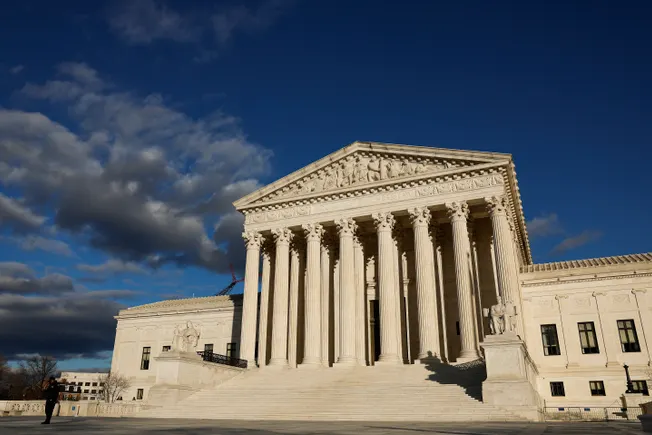
The U.S. Supreme Court voted 6-3 in late June to overturn the Chevron doctrine, meaning courts are no longer required to defer to federal agencies' interpretations of ambiguous congressional statutes. This ruling could affect the FDA's regulatory rule for laboratory-developed tests (LDTs), which has already sparked industry litigation. Lawyers note that the LDT lawsuit will serve as a 'barometer' for observing changes in FDA power after the Chevron doctrine was overturned.
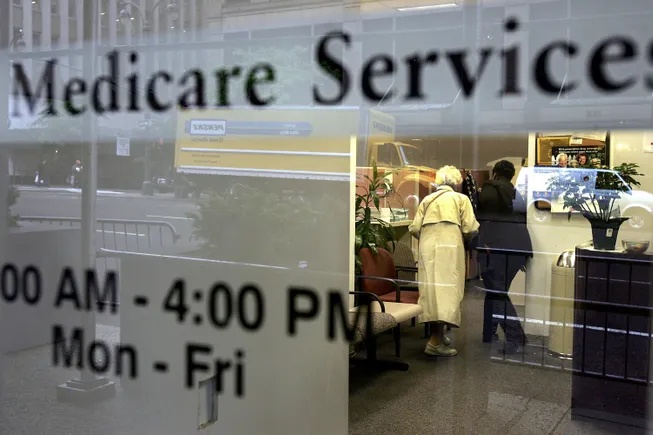

In the first quarter of 2024, the U.S. health insurance industry opened under the dual impact of Medicare Advantage market turmoil and the Change Healthcare cyberattack. Although the cyberattack severely affected healthcare providers, payers generally reported limited financial impact. Meanwhile, rising medical costs in Medicare Advantage led to profit declines for some insurers, while new CMS regulations brought D-SNP growth opportunities for Medicaid insurers.

U.S. antitrust agencies launched a new portal to encourage public reporting of anticompetitive practices in healthcare. Experts say this may generate investigative leads but worry that consumers may struggle to accurately identify anticompetitive behavior, and agencies could face a flood of complaints and resource constraints.

California and Oregon passed legislation last year setting timelines for developing universal healthcare systems. Supporters say it could save billions of dollars and improve access to care, while opponents worry it could disrupt the existing healthcare system. Both states' plans require federal waivers, but experts believe that amid the federal political stalemate, success depends on the White House's political will.