


Latest news
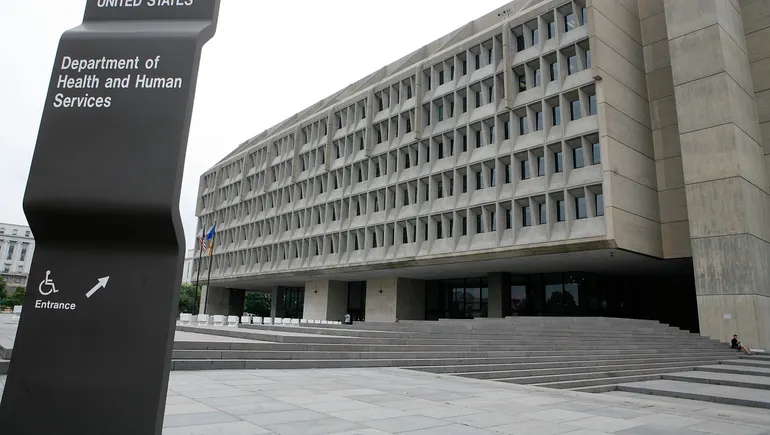
The Trump administration is pushing to transfer regulatory responsibility for the 340B drug discount program from HRSA to CMS, a move that could have far-reaching effects on the two-thirds of U.S. hospitals that rely on the program. CMS's past hardline stance on 340B, including reimbursement cuts in 2018 and restrictions on Medicaid reimbursement, worries providers. Experts note that the new regulator may focus more on cost control rather than protecting safety-net providers, but it could also improve program transparency and accountability.
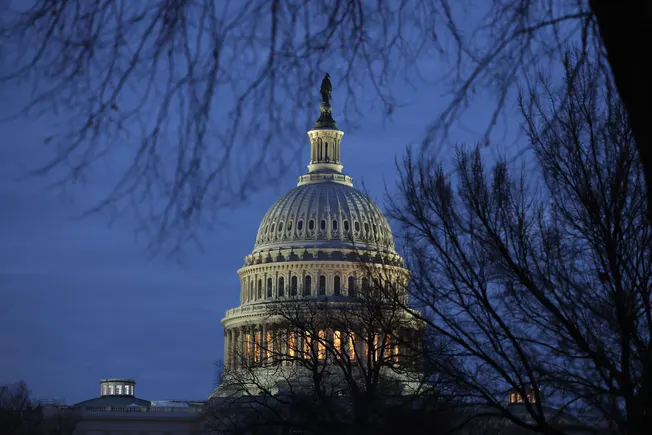
This week, the U.S. House Energy and Commerce Committee (E&C) and the Ways and Means Committee each passed budget reconciliation bill text along party-line votes, covering provisions such as large-scale Medicaid cuts, adjustments to Affordable Care Act (ACA) subsidies, standardization of Individual Coverage Health Reimbursement Arrangements (ICHRA), pharmacy benefit manager (PBM) regulatory reforms, and hospital financial relief. According to preliminary estimates from the Congressional Budget Office, while the E&C provisions could save $625 billion, they may cause approximately 8 million Americans to lose insurance coverage. The bill will be sent to the House Budget Committee for integration.

The U.S. Congress is advancing a budget resolution that may involve cuts to Medicaid, requiring the House Energy and Commerce Committee to save $880 billion. Experts note that cuts of this magnitude would almost inevitably involve Medicaid. For safety-net hospitals, rural hospitals, and long-term care facilities that depend on the program, the impact could be 'devastating,' potentially forcing them to reduce services, lay off staff, or even sell off assets. This article analyzes the potential pathways of the cuts and their cascading effects on healthcare providers.

HardBeauty, a Colorado nonprofit, provides peer support services to mothers in the Western Slope region through federal funding. In March 2025, the federal government prematurely terminated related grants, citing the end of the pandemic, prompting a lawsuit. Although a court ordered temporary restoration of funds, the program still faces uncertainty with weekly changes, impacting service delivery and staff livelihoods.

On May 1, the U.S. Department of Health and Human Services (HHS) released a highly anticipated literature review recommending that medical providers prioritize behavioral therapy for patients under 19 with gender dysphoria, while broadly rejecting gender-affirming care options such as hormone therapy, puberty blockers, and surgery. Although the report makes no policy recommendations and is not a clinical guideline, it deviates from the standards of the World Professional Association for Transgender Health (WPATH), triggering strong backlash from the medical community.

FDA's Laboratory-Developed Test (LDT) Program Halted by Court: Industry Impact and Future Directions
On March 31, a U.S. federal court ruled that the FDA's final rule treating laboratory-developed tests (LDTs) as medical devices is invalid. Multiple regulatory affairs lawyers stated that the FDA may not appeal, but the possibility remains for Congress to legislate reform of the LDT regulatory framework, though it is unlikely to be achieved in the near term.
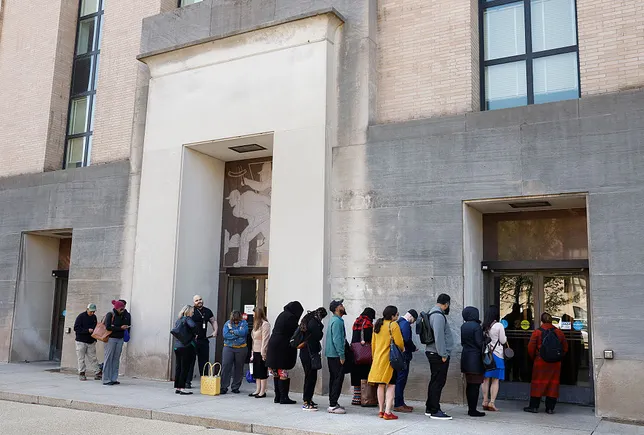
The mass layoffs at the U.S. Department of Health and Human Services (HHS) may violate federal law. Legal experts point out issues such as the closure of statutory offices, improper definition of competitive areas, and erroneous notification information during the layoff process. Unions and law firms have begun preparing legal challenges.

The shortage of medical resources in the United States is becoming increasingly severe, and foreign high-skilled talent is key to solving this problem. This article explores the necessity of reforming immigration policies to attract and retain foreign professionals such as doctors, thereby alleviating the medical workforce shortage and promoting economic development.

The Office for Civil Rights (OCR) of the U.S. Department of Health and Human Services (HHS) issued a proposed rule in January 2025 that, if adopted, would significantly amend the Health Insurance Portability and Accountability Act (HIPAA) Security Rule. The rule aims to strengthen the confidentiality, integrity, and availability of electronic protected health information (ePHI) in response to escalating cybersecurity threats in the healthcare sector. Although President Trump's regulatory freeze order casts doubt on the rule's prospects, strengthening healthcare cybersecurity requirements is nearly certain. This article provides a detailed review of 12 key amendments in the proposed rule and offers specific action recommendations for enterprise compliance preparation.

In the absence of federal AI standards, the healthcare industry is striving to establish its own regulatory frameworks. The Trump administration's laissez-faire approach leaves hospitals and developers in a regulatory gray area, while states and industry organizations begin to fill the void. Experts warn that rapid technological advancement coupled with lagging governance may pose risks.