


Latest news

With rising healthcare costs and changing workforce demographics, employer-sponsored insurance faces challenges. ICHRA, a model where employers contribute and employees purchase individual insurance on their own, is gaining attention. The article analyzes ICHRA's operational mechanism, policy developments (such as Indiana's tax credit and the federal CHOICE Arrangement Act), and highlights its advantages of personalization and portability, while noting the importance of employee support in implementation.

Artificial intelligence has the potential to ease the burden on clinicians, but resource-poor safety-net healthcare institutions face multiple challenges in implementing AI, including technology, funding, and talent, which may widen healthcare disparities.

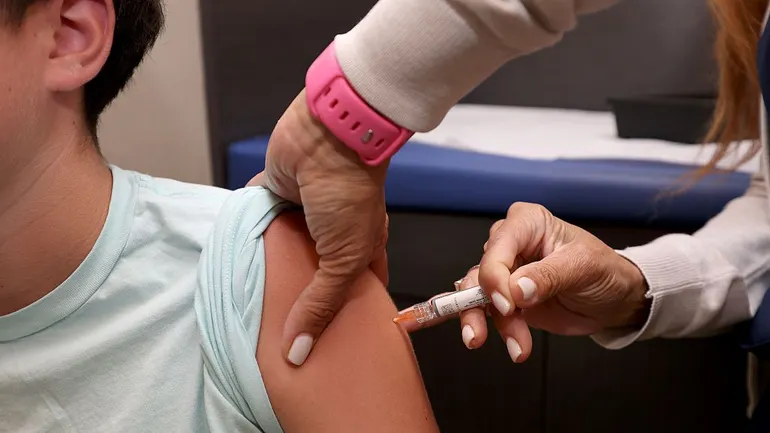
States across the U.S. are sharply divided in access to COVID-19 vaccines, with some restricting vaccinations while others strive to secure supply, leaving patients and doctors facing confusion and uncertainty.

Over the past year, medical device companies such as GE HealthCare and Philips have launched or announced plans to build "foundation models" for imaging modalities like MRI, and the FDA is also exploring ways to flag such products when updating its AI device database. However, experts note that the definition of foundation models remains unclear, and it is difficult to determine whether existing tools truly help radiologists and patients. Stanford scholars believe that although foundation models hold potential in rare disease detection and accelerating AI development, their clear advantages have not yet been observed in the market.

CMS announced that the $50 billion rural health transformation program will open for applications next month. As an add-on to the 'One Big Beautiful Bill,' the program aims to mitigate the impact of Medicaid cuts on rural healthcare. However, experts hold differing views on the fund's allocation method, beneficiaries, and actual effectiveness, with some believing that the funds are unevenly distributed and may struggle to truly reach rural hospitals on the verge of closure.

The health data sharing initiative announced by the Trump administration last month aims to improve healthcare data interoperability through public-private partnerships, but experts believe the plan lacks sufficient details and faces multiple obstacles in implementation.
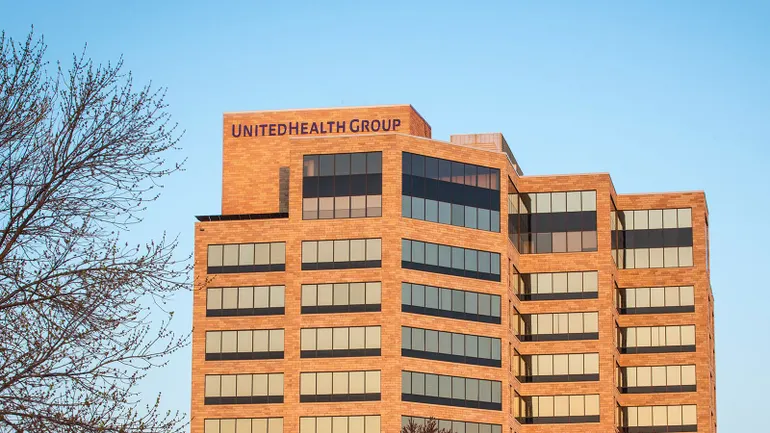
UnitedHealth Group's merger with Amedisys has finally reached an agreement with federal regulators after nearly three years of regulatory review. According to the settlement disclosed on Thursday, the $3.3 billion deal is expected to close in 2026. The Department of Justice required the divestiture of at least 164 facilities, which will be taken over by BrightSpring Health Services and Pennant Group. Analysts believe that although the settlement is weaker than expected in terms of competition protection, the deal is likely to proceed smoothly.

Although the U.S. prescription drug market is constantly innovating, pharmacy benefit managers (PBMs), through opaque rebate mechanisms and formulary manipulation, impede access to low-cost alternatives like biosimilars, keeping drug prices high. Author Kathy Chang (head of trade relations at Blue Shield of California Health Plan) calls on health plans to bypass the traditional PBM supply chain and adopt direct contracting and value-based agreements to restore market competition and truly benefit patients with innovation.

This spring, the Trump administration reiterated its call to bring pharmaceutical manufacturing back to the United States, sparking discussions on how to achieve this goal. Despite high costs and regulatory hurdles, technology experts believe that innovative manufacturing methods, such as continuous manufacturing and digital twins, could help domestic manufacturers compete with overseas suppliers.